What “Important” Means in Gmail
Handling important emails in Gmail can feel somewhat mysterious. How do incoming messages get marked? How do you mark outgoing emails? What limitations are there for marking importance? Let’s find out how the Importance feature works in Gmail and how supplementary tools can enhance its capabilities.
When Gmail detects an email that it deems as “important,” the system adds an importance marker. This is slightly different than you might be used to with other email services like Outlook which rely on a sender or user action to flag an email for importance or priority.
An importance marker is the yellow chevron next to a sender’s name in your message list or subject line in an open email. These emails in Gmail are labeled as such which allows you to quickly find them in the menu or using a search operator.
Messages marked as Important are different from those that are Starred. The main difference is that Gmail uses logic to mark important emails systematically as they arrive, (although you can mark them yourself as well) but only you can add Stars to a message.

View Important Emails in Gmail
When a message gets marked as important in Gmail, you can find all of these emails using a few different methods.
- Open the Important folder (label) in the menu.
- Enter is:important in the Search box.
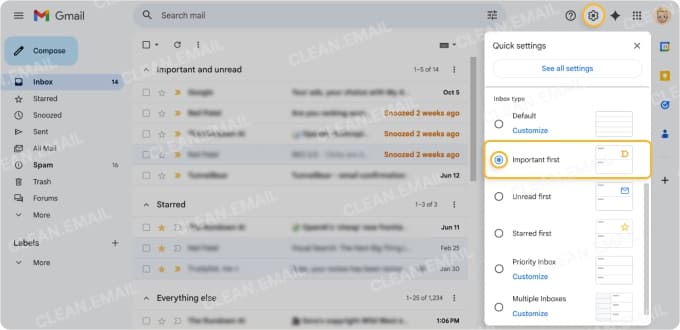
- Use the Inbox Type Important First (select Settings and pick this option in the sidebar.)
How Gmail Decides Importance
Gmail uses several factors to decide if an email is important and then marks it as such.
Sender interaction: Who you email and how often, which messages you open and reply to, and if the email was sent directly to you.
Keywords: Which words and phrases appear in emails you normally read.
User actions: Which actions you take on emails like star, archive, or delete.
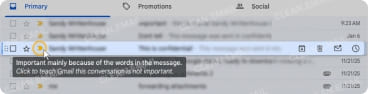
To see why an email is marked as important by Gmail on the web, hover your cursor over the importance marker. You’ll then see a screen tip pop open with a brief explanation.

As mentioned earlier, these predictions are decided automatically by Gmail’s machine learning. There are no manual settings to configure which messages get marked by the system.
Stop Gmail From Deciding Importance
If you don’t want Gmail to mark your messages, you can stop it from using your previous actions to determine importance on incoming emails or turn off the importance markers altogether.
Go to Settings → See all settings → Inbox. In the Importance Markers section, you can disable the markers or option to use your past actions.
How to Mark Incoming Emails as Important
For emails already in your mailbox or those that arrive in the future, you can manually or automatically mark importance for messages that Gmail does not mark for you.
Mark Importance on the Web
When you use Gmail on the web, you can use manual actions or automated filters to mark importance.
- To mark an email in your message list as important, click the Importance marker to the left of the sender’s name in your message list.
- To mark an open email as important, click the Importance marker to the right of the subject line.
This action teaches Gmail that those emails are “important” so that the system marks similar ones systematically as they arrive down the road. Keep in mind that you may need to mark the messages a few times before Gmail recognizes the importance.
To mark future emails as important automatically, you can set up a Gmail rule (filter).
- Go to Settings >See all settings.
- Open the Filters and Blocked Addresses.
- Select Create a new filter.
- Choose or enter the criteria.
- Click Create filter.
- Check the box for Always mark it as important or Never mark it as important.
- Click Create filter.
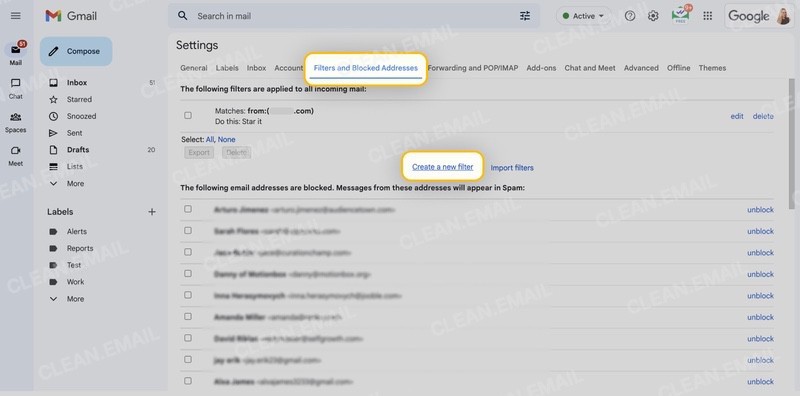
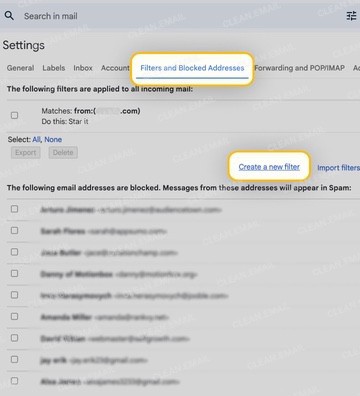
Keep in mind that you can only set up the automated filters on the web, not in the mobile Gmail app. However, filters you create in the web app do affect emails you receive on your mobile device.
Mark Importance in the Mobile App
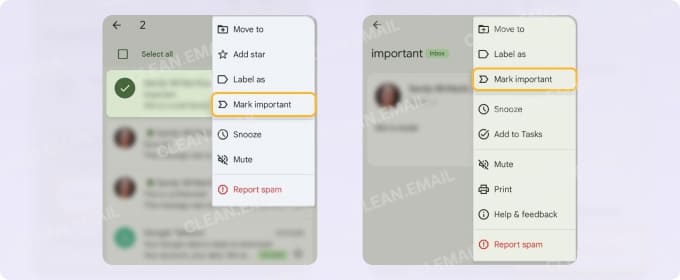
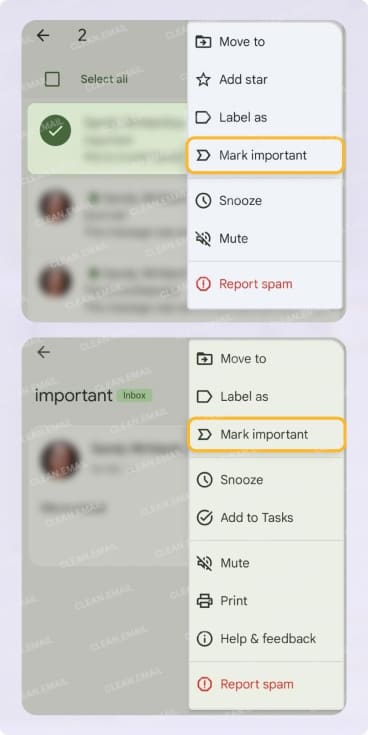
Although you can’t create automated importance filters for incoming messages in the mobile app, you can still manually mark emails on Android and iPhone one of two ways.
- In your message list, long-press an email and optionally select additional messages. Tap the three dots on the top right and pick Mark (as) important.
- In an open email, tap the three dots on the top right and pick Mark (as) important.
Urgent & High Priority: What Gmail Doesn’t Support
When you’re the one sending the email, you may want to mark it as important for your recipient. Unfortunately, Gmail doesn’t provide a native option to signal priority on outdoing emails like other clients such as Outlook.
Additionally, because the “urgent” or “high priority” flags aren’t universally standard, emails marked as important using other providers may not appear when the email reaches a Gmail Inbox.
Workarounds to Signal Urgency in Outgoing Emails
Because Gmail doesn’t support sending messages with importance flags, you can use a couple of workarounds when using Gmail.
Subject lines: Add words or phrases like [URGENT] or [APPROVAL NEEDED] in the subject line or place a red exclamation mark in front of the subject.
Drafts: Compose your email and save it to the Drafts. Then, mark the drafted message with the Importance marker and send the email.
Mobile vs Web Limitations for Importance in Gmail
The Gmail mobile app does have some restrictions regarding important messages that differ from the web application.
First, and as mentioned earlier, you cannot set up or manage automated filters for importance, and second, you cannot configure the Importance marker options in the mobile app.
Easily Handle Important Messages With Clean Email
If you want to better manage those important emails you receive, you can use tools like Clean Email to enhance Gmail’s features. From automating actions that influence Gmail’s importance detection to making essential emails simpler to spot, let’s look at how Clean Email can help.
First, you can set up Auto Clean rules by sender, domain, or keyword to ensure these emails go to your Inbox and not a different location. You can also use Auto Clean rules to star and label messages as well as archive, trash, or delete them.
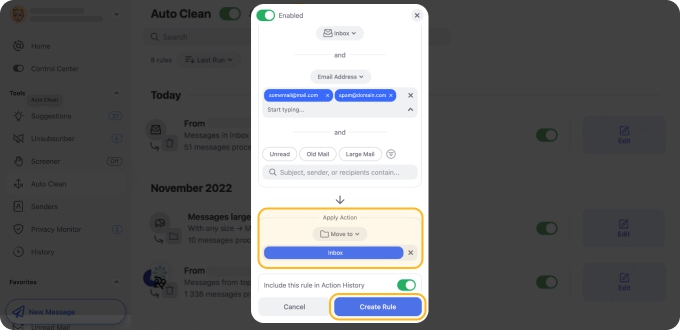
Clean Email also provides consistent handling of key senders. You can Pin groups of senders like friends, family, and coworkers so that their messages are easy to see at a glance. And you can check out the Smart Folder for Top Senders to see emails from your most frequent senders.
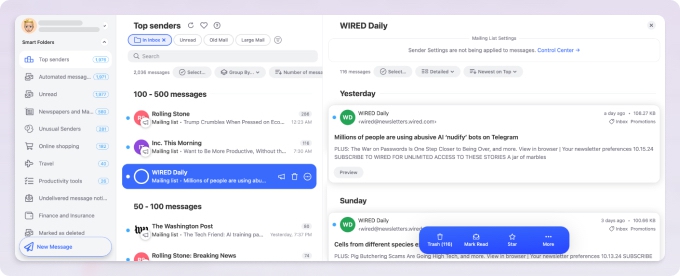
Another way you can use Clean Email to enhance Gmail is by reducing the noise so that important messages stand out. You can use tools like Unsubscriber to remove yourself from multiple mailing lists at once or temporarily pause subscription emails when decluttering your Gmail mailbox.
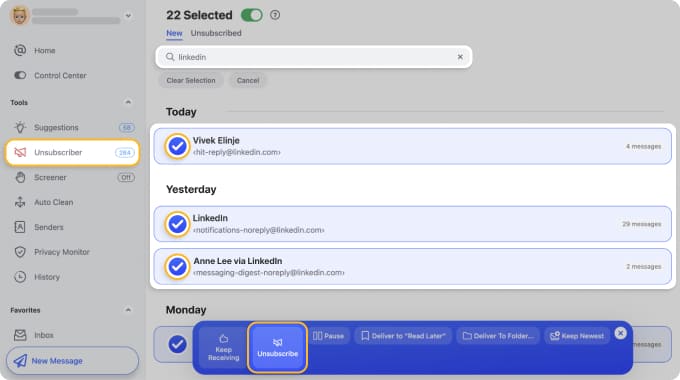
You can also use bulk actions to handle hundreds or thousands of emails at one time. Plus, this is available in both the web and mobile applications, helping you overcome Gmail’s selection limits.
Clean Email is available for all IMAP providers and is safe to use with a commitment to user privacy and security.