What a Gmail Alias Is and Why People Use It
In 2025, The Economic Times noted that Gmail has 2.5 billion active users. It has challenged others like Yahoo Mail and AOL, remaining one of the most widely used email clients today. This underscores how Gmail is extensively used for communication all over the world.
With millions of emails being sent each day, proper tools are essential to keep inboxes organized. Using Google Workspace, an administrator can use their email to create a Gmail alias or an alternative email address.
This alias will allow them to send and receive emails with another address. Simply put, it’s another version of your email address that still delivers everything to the same inbox. When people talk about a Gmail alias, they’re usually referring to any alternate address or variation that funnels mail into the same Gmail account.
People typically use Gmail aliases when they want to:
- Sign up for newsletters or promos without mixing them into their main inbox.
- Separate online shopping from personal conversations.
- Test tools or apps without opening brand-new accounts each time.
It’s important to set expectations. Having an alias is meant to help you organize and route mail, not hide who you are. In some cases, the underlying account is still visible when someone replies or checks message details.

How to Create a Gmail Alias with the + Sign
It’s incredibly straightforward to learn how to set up an alias in Gmail. One of the easiest ways to do so is to add a plus (+) sign to your main email address and type a word after it. This trick is sometimes called the Gmail alias + sign or Gmail plus alias method.
Here’s how it would look: yourname+word@gmail.com
Using this technique, you’ll be able to create a label of sorts. For example, someone named Tom Jones who would want to create an alias for their news would have a Gmail alias like tomjones+news@gmail.com.
📌 Here are some naming patterns you can tweak to fit your own email addresses:
- yourname+shopping@gmail.com for online stores and order confirmations
- yourname+newsletters@gmail.com for blogs, mailing lists, and courses
- yourname+freelance@gmail.com for clients or side projects
However, there are a few limitations to keep in mind. Some websites strip everything after the +, so the alias won’t be preserved. Others don’t accept addresses with special characters at all. If that happens, you can fall back on your regular address or use a different alias pattern to filter out unwanted emails.
How to Use Dot Variations as a Gmail Alias
Gmail also lets you create extra addresses by moving dots around. For any address ending in @gmail.com, the placement of dots or periods in the username doesn’t matter.
📌 That means the email addresses firstname.lastname@gmail.com, first.namelastname@gmail.com, and firstnamelastname@gmail.com all act as variations of the same address and deliver mail to the same inbox.
This dot rule is mainly for personal Gmail. In many Google Workspace setups with customized domains, info@yourdomain.com and in.fo@yourdomain.com are treated as different addresses, so don’t rely on dots there without checking with your admin.
You might already be using dot-style aliases without even realizing it. For example:
- Signing up for services as first.name@gmail.com, while friends email you at firstname@gmail.com
- Using first.name.work@gmail.com for more professional signups, even though everything lands in one inbox
Dot variations help you track where spam or leaks are coming from. It also helps segment signups by context (work, hobbies, promos). If you’re wondering how to make an alias in Gmail that truly looks different, remember that using dots doesn’t change your actual username.
💡 If you need a more substantial change, check out our guide on how to change Gmail addresses instead of relying on dots alone.
How to Set Up a Gmail Alias in Settings (or Send Emails from Another Address)
Plus and dot tricks are great when you only care about where the mail lands. Sometimes, though, you also want to send from a different address (like you@yourdomain.com) while still using your Gmail inbox. For situations like that, you can use Gmail’s send-as feature.
This is what most people mean when they talk about how to add an alias to Gmail or set up a Gmail alias in settings.
Here’s how to add a Gmail send-from alias for a personal account:
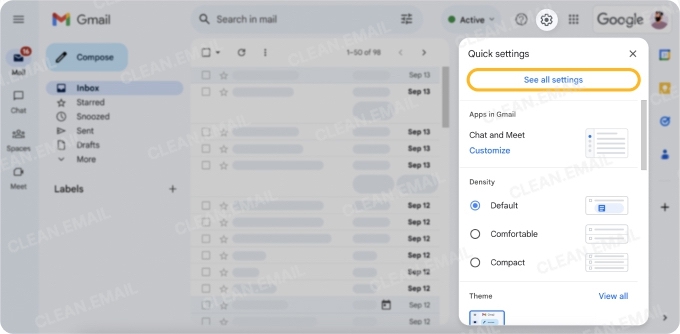
- Open Gmail and go to Settings, then select See all settings.
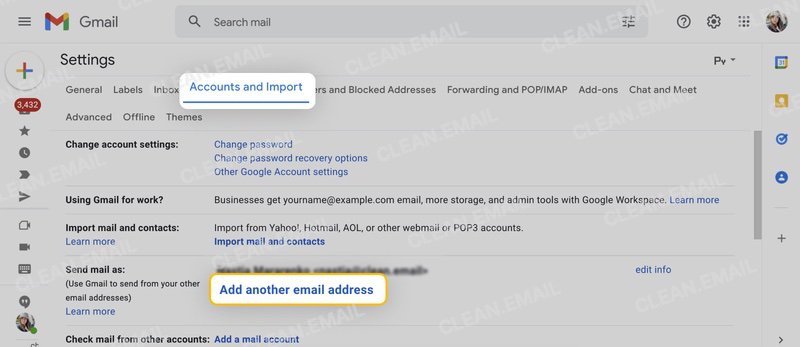
- Click the Accounts and Import tab.
- Under Send mail as, choose Add another email address.
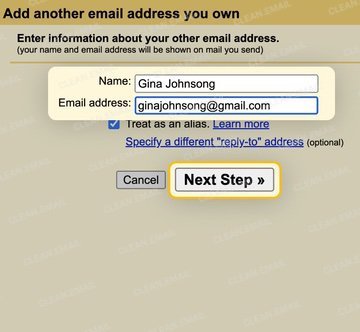
- Enter the name and alias address you want to send from (for example, you@yourdomain.com).
- Follow the verification step (Gmail sends a code or link to that address).
- Once verified, choose whether replies go to the alias or your main Gmail.

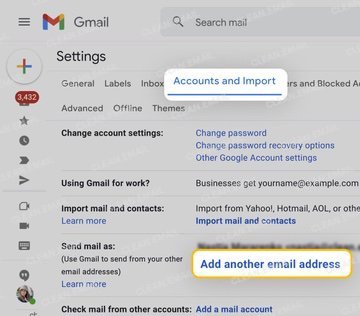
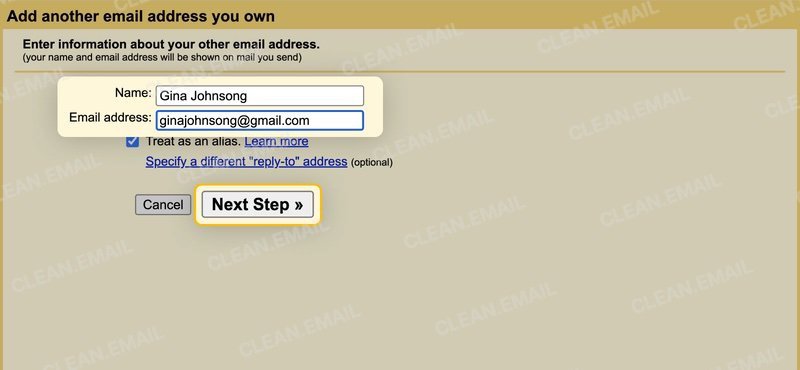
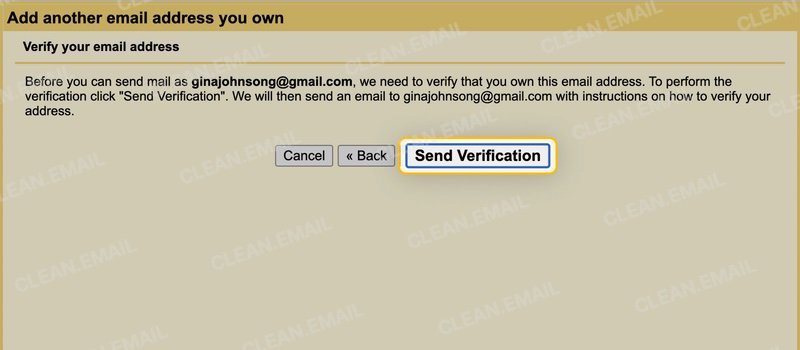
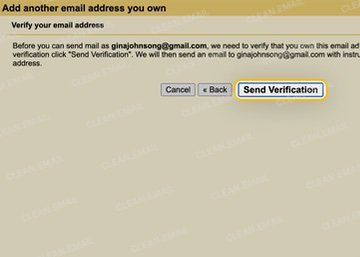
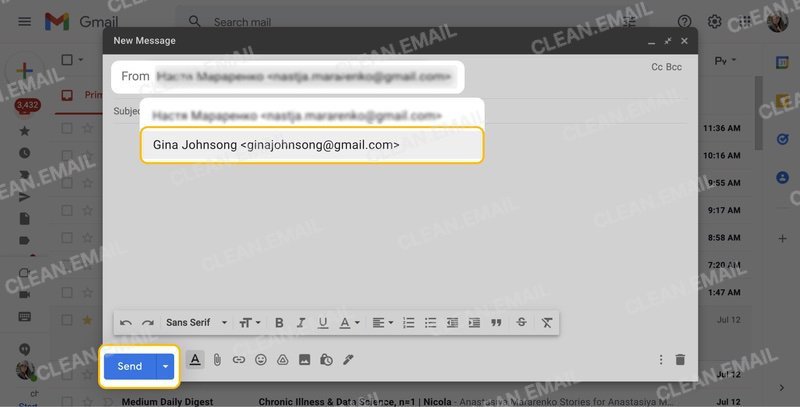
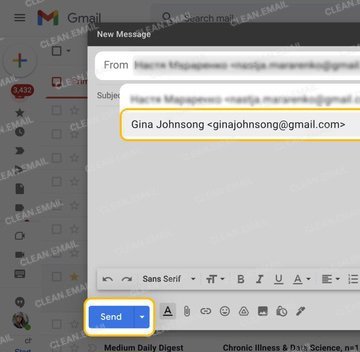
Setting this up will allow you to use a Gmail additional email alias like you@yourdomain.com for clients, while still reading mail inside your Gmail account. If you have a side business, you can use this system to separate your work replies from your personal identity.
How to Create Gmail Filters for Each Alias
Aliases are powerful, and they work wonders in helping you keep your email clean and organized. However, they only really shine when you combine them with filters and labels that will do the organization work for you. Once you create Gmail alias variations, the next step is to tell Gmail what to do with messages that arrive on each one.
This workflow will help you set the system up:
- In Gmail’s search bar, type something like to:yourname+shopping@gmail.com.
- Click the Show search options icon (the slider button).
- At the bottom of the search panel, select Create filter.
- Choose what you want Gmail to do with those messages. You can opt for Gmail to:
- Apply the label (for example, shopping and receipts)
- Skip the Inbox (Archive it)
- Star it
- Forward it
- Always mark it as important

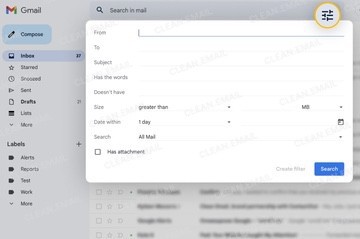
By setting this up, you’re directing all +shopping emails straight into a shopping and receipts label, skipping the main inbox so promos don’t bury important messages. Gmail filters are a great starting point, but they still leave a lot of manual work on your plate.
As another example, you can label all +newsletters mail as “Reading” and automatically archive them so they don’t appear in your primary inbox until you’re ready. These filters work both for Gmail + alias addresses and for send-as aliases you’ve added in settings.
How to Use Gmail Aliases in Google Workspace (Your Own Domain)
With Google Workspace, aliases look a bit different. Instead of plus or dot tricks, you often create extra addresses under a domain (@yourdomain.com) that all point to the same person. This is especially useful when you’re running a small business and don’t want to manage multiple separate inboxes. For admins wondering how to set up an alias in Gmail under Workspace, here’s an overview of the process:
- Open the Google Admin console → Menu → Directory → Users.
- Click on a user’s name.
- Look for Add Alternate Emails.
- Add addresses like info@yourdomain.com, support@yourdomain.com, or billing@yourdomain.com.
Common patterns for small teams include:
- One person handling sales@, support@, and billing@ from a single mailbox
- Role-based aliases like events@yourdomain.com for event inquiries or press@yourdomain.com for media
Even with these Workspace aliases, everything still goes into the same account unless you deliberately create separate user mailboxes. If you’d like a deeper dive into role-based addresses, how they work, and how to merge existing email addresses, take a look at our guide on managing multiple Gmail accounts.
Where Gmail Aliases Stop Helping & When to Use Clean Email
Gmail aliases are great for organizing future messages, but they don’t magically fix an inbox that’s already overflowing. They also come with real-world limits.
Aliases don’t clean existing clutter
Gmail aliases are forward-looking. They’re brilliant for shaping what happens to future emails, but they can’t do anything about the 18,000 unread messages already sitting in your inbox.
Imagine someone who decides to start using name+shopping@gmail.com for all new online orders. That’s helpful for next month’s receipts, but the past five years of promos, abandoned cart reminders, and flash sales from the same stores are still scattered across their inbox. The alias doesn’t retroactively tag or move those messages. They still have to scroll, search, and delete them manually unless they use a separate tool to handle bulk cleanup.
📌 How Clean Email helps
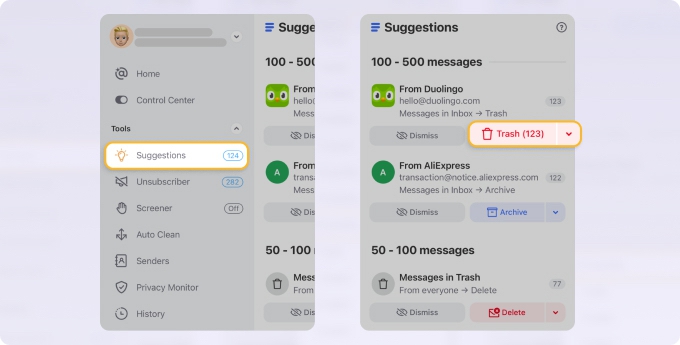
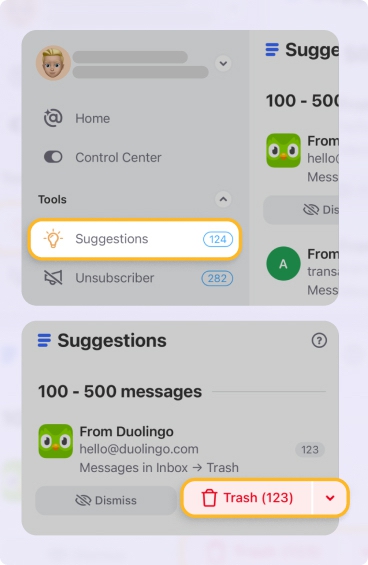
Instead of manually digging through old mail, Smart Folders and Cleaning Suggestions can be used to surface years of promotional emails, receipts, social alerts, and more in seconds.
Too many aliases and filters become hard to manage
At first, having a few aliases feels smart and intentional. But over time, it’s easy to overdo it, especially if you create a new alias every time you sign up for something.
For example, you could have started creating an alias for name+newsletters@gmail.com and name+shopping@gmail.com. A year later, you might have added name+crypto@gmail.com, name+courses@gmail.com, name+beta@gmail.com, and more, giving each one its own Gmail filter. This can make your inbox harder to manage, especially if you forget the tags used.
📌 How Clean Email helps
Instead of relying on a complex system of Gmail filters, logic can be centralized in Clean Email. The app groups messages by type and sender automatically, and Cleaning Suggestions highlights patterns you might want to turn into rules.
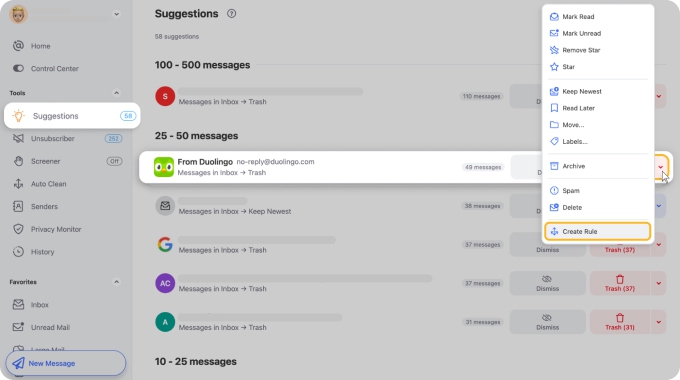
Auto Clean rules can be automated from one dashboard, while cross-device sync keeps everything consistent on the web, Mac desktop, and mobile.
Aliases don’t group senders or simplify bulk cleanup
Aliases tell Gmail where a message is addressed, not who it’s from or how often that sender emails you. Unless you use filters, they don’t help you spot patterns across your entire inbox. Aliases also don’t give you a “big picture” view of which companies send the most clutter or an easy way to bulk remove old social alerts, notification emails, or stale promotions in one go.
📌 How Clean Email helps
You can open the All Mail view and see your emails already grouped by sender. You can see every message from a particular newsletter or store in one place in chronological order, whether or not you used an alias when you signed up.
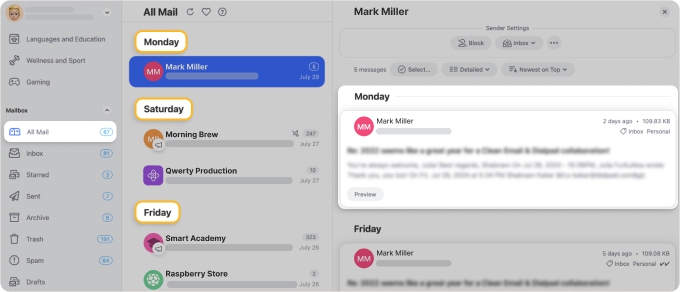
From there, you can unsubscribe in bulk with Unsubscriber, pause nonessential updates from brands you don’t even remember subscribing to using the Pause feature, or apply Auto Clean rules so future messages from that sender are automatically archived, labeled, or removed.
Limitations You Should Keep in Mind When Using a Gmail Alias
A Gmail alias is powerful, but it’s not a second identity. You can’t log in separately with an alias because, as mentioned, there’s still only one account underneath. Plus, in some cases, people can see your real or main address in the reply field or message headers even if they write to an alias.
📌 Plus and dot tricks also have some quirks, depending on the usage. Some websites strip everything after the + sign, so yourname+shop@gmail.com simply becomes yourname@gmail.com on their side. Other forms reject addresses with + entirely. If you’re using a custom domain, dot usage may differ or be disabled altogether, depending on how your admin configured it.
Gmail Alias Best Practices to Follow for a Calmer Inbox
Used thoughtfully, aliases can make your inbox feel lighter instead of more complex. The simplest approach is often the best. Start with just a few purposeful aliases (one for shopping, one for newsletters, maybe one for side projects), and see how they behave before adding more.
Whenever you create Gmail alias variations, pair each one with at least one rule or filter. The goal isn’t just to catch mail but to reduce how often you have to think about it.