Disorganized Person Meaning and Why These Patterns Develop
A search for a disorganized person meaning often comes from someone trying to explain why a person keeps slipping out of routines they care about. A person who is careless and disorganized isn’t indifferent at all. That person is overloaded. They are pulled in different directions and losing ground faster than they can manage.
It helps to separate “disorganized” from “unorganized” first. A disorganized or chaotic person usually has their own system. However, that breaks down when life gets busy or stressful. An unorganized person may not have built a system at all. So, to understand how can a disorganized person become organized, start by looking at the real obstacles instead of assuming the behavior is intentional.
This Reddit post from someone who hates clutter but can’t stay organized makes this clearer. The poster linked this struggle to a childhood incident when their effort to keep things tidy was undone by someone else. Such experiences shape how a person relates to order, showing how deeply disorganization patterns can stick.

What Causes a Person to Be Disorganized? (The Psychology Behind It)
The psychology of a disorganized person often reflects how their brain handles the chaos and shifting tasks, rather than a lack of interest in being organized.
Common drivers include:
- Executive dysfunction and ADHD
Executive skills break down first, making planning feel heavy and causing tasks that should take a few minutes to stretch out because the person can’t hold the steps in order. ADHD adds its own mix of time loss, restless attention, and task-switching that scatters effort in all directions. Many rely on practical ADHD time management strategies to anchor themselves.
- Overstimulation and anxiety
Noise, clutter, notifications, and visual overload hit the brain at once. And so, it has become easy for attention to slip. A person starts one thing, notices another, and drifts; this cycle occurs because all the sensory inputs make one lose focus, triggering fight-or-flight responses. Anxiety adds to the mix. It turns ordinary tasks into something they postpone because the work feels sharper or bigger than it is.
- Learned habits and environment
Some grew up without routines. Others had their work dismissed or undone, so they stopped trying. Those early experiences shape how they approach order as adults.
These threads stack. Over time, disorganization becomes something they live with, not something they choose.
Common Signs of a Disorganized Person (It’s More Than a Messy Room)
The signs of a disorganized person usually show up in quick slips, not in dramatic disorders. You’ll notice most in the brief moments where attention breaks.
- Losing items: They lose track of things, even those they just handled. Their mind jumps ahead before their actions catch up.
- Missing deadlines: They miss deadlines or targets even if they genuinely wanted to meet them. Often, time gets away from them when the day shifts faster than they can sort it.
- Distraction loops: One task sends them to another, then another, until the original goal disappears. Many try to learn how to avoid digital distractions because notifications and open tabs pull them off course.
- Procrastination: They postpone tasks that feel heavier than they should. Stress or pressure makes the work look bigger than it is, so they push it away.
- Clutter: This ranges from physical to emotional to digital. All these spaces clog up, like dirty clothes (physical), worry (emotional), and unread emails (digital). Clutter overload makes the simplest routines, like unsubscribing to marketing emails, a huge undertaking.
These signs have little to do with physical mess and everything to do with how fast attention slips when life pulls in every direction.
How Digital Overwhelm Makes Disorganization Worse
Digital clutter builds fast. Tabs stay open, and alerts fire off from apps you barely use. Files, screenshots, and notes spread across devices until nothing feels simple to locate anymore. When someone is already dealing with physical mess or emotional strain, the digital layer stacks more weight on the same tired attention.
This is where answering the question of how a disorganized person can become organized starts to feel out of reach. Even small actions, like cleaning inboxes, need choices, and every choice drains energy they don’t have. Opening an inbox or notes app can feel like stepping into a space with no clear starting point. When the entry point isn’t obvious, skipping the task becomes the default.
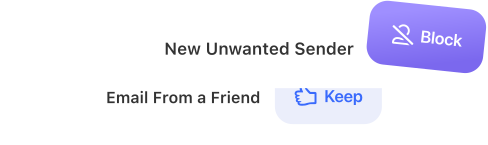
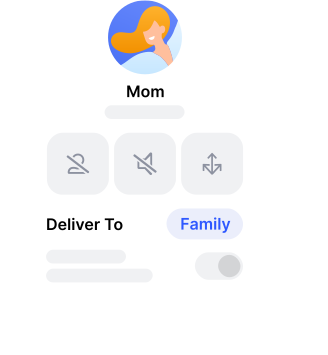
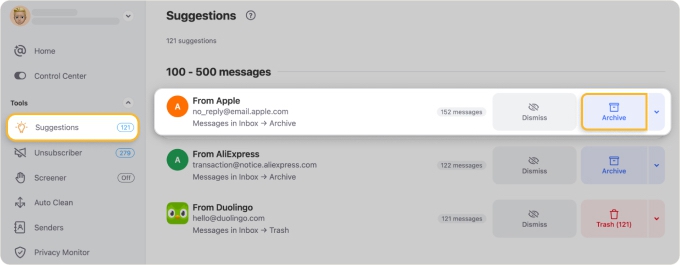
💡 The CleanEmail app fits into this moment as a solution. Its Cleaning Suggestions show you clear, actionable options for what to clean based on how you use your inbox, so you don't have to guess, search for a long time, or get lost in a rabbit hole of old messages.
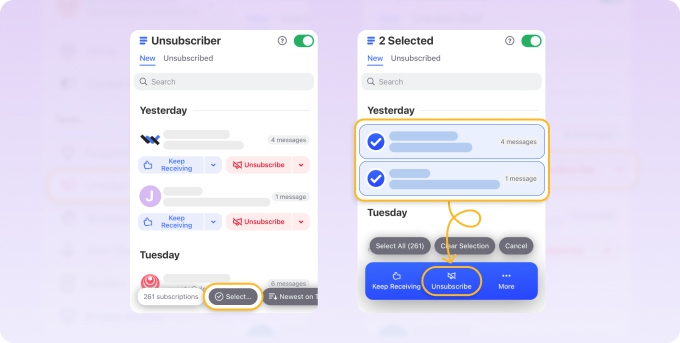
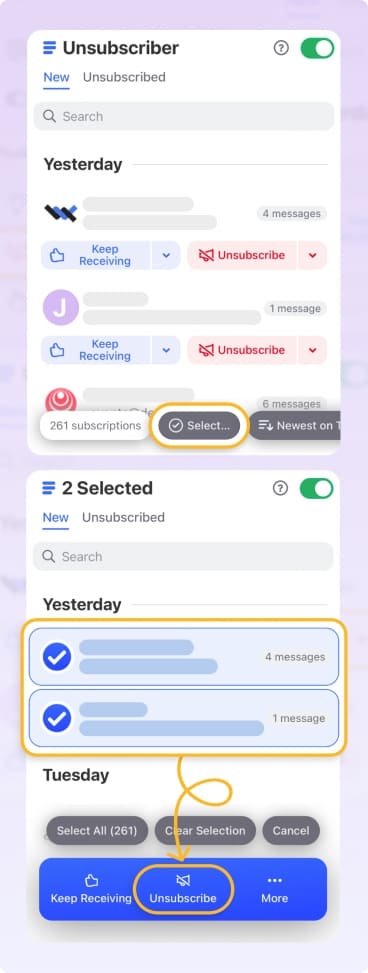
Unsubscriber lets users quickly remove multiple newsletters and mailing lists from their inboxes, stopping the noise without making them find unsubscribe links one by one.
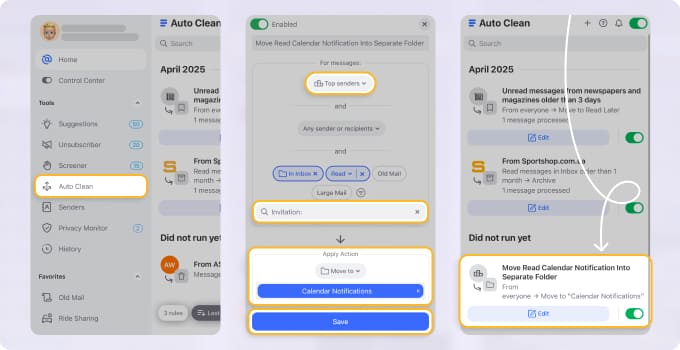
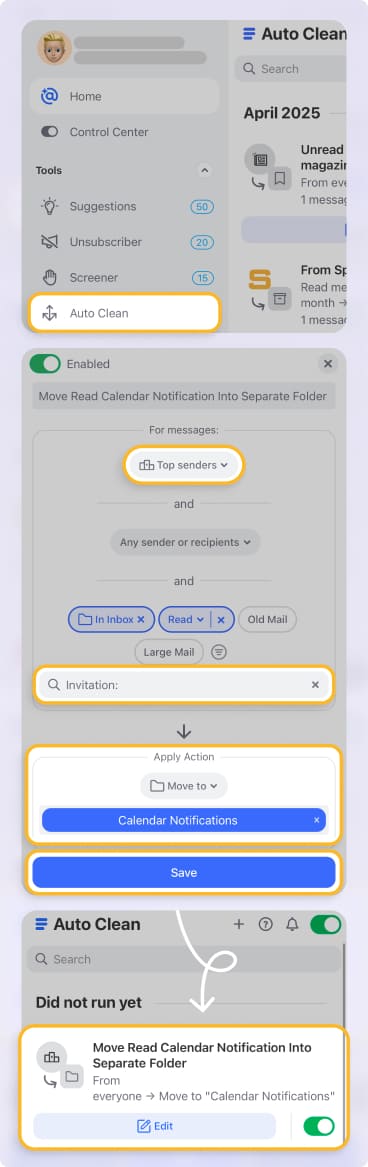
Auto Clean keeps things in order by automatically sorting or archiving incoming emails as they come in. This stops future buildup.
Smart Folders automatically sort emails into structured folders based on sender, topic, or behavior. This turns the mess in your inbox into clear, easy-to-read groups so you can see what's going on without getting stressed.
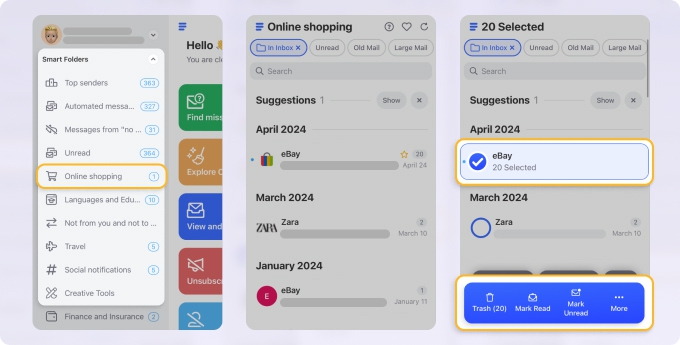
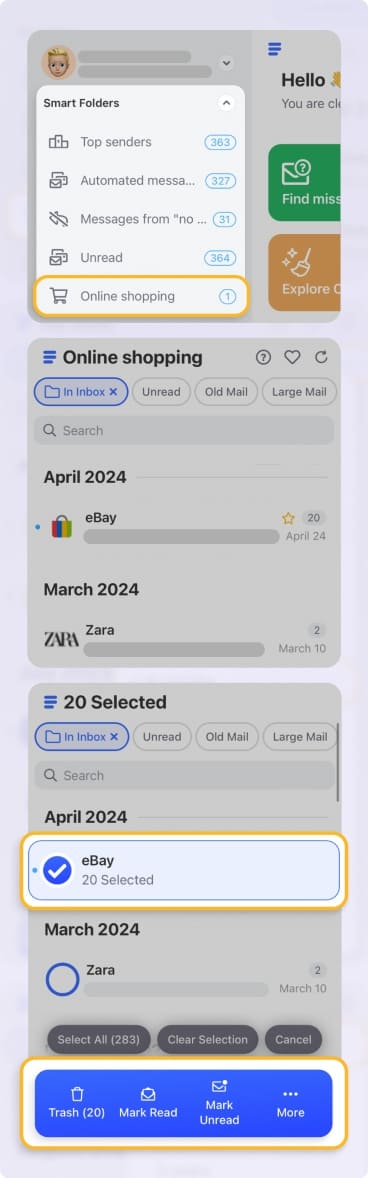
The app is free to try, which lowers the barrier for anyone who freezes when a tool asks for commitment they can’t make yet, and it’s available on macOS, iOS, Android, and the web so you can explore it on any device.
Starting with digital clutter is often the first real win for someone trying to find structure. A calmer inbox gives them room to think again. It also supports people who look for ways to beat email anxiety or want decluttering rules to follow so they don’t slide back into the same overload.
Practical Ways to Help a Disorganized Person (Without Micromanaging)
Knowing how to help a disorganized person starts with lowering the pressure around them. Know that they’re trying, but bombarding them with too many steps or noise will be counterproductive.
- Skip the lectures: Shaming a disorganized person won’t do anything good. “Tough love” doesn’t create order; it usually makes them hide the mess instead of facing it. Instead of the lecture, lead with a positive note.
- Offer one system: Disorganized people presented with multiple systems to organize can easily get flustered. Focus on one step at a time. Start with a short checklist. Once that’s mastered, move to another one, like time-blocking.
- Use gentle cues: Look for organization and management tools that fit the person’s personality and lifestyle. Tools like timers can help a disorganized person with a busy schedule. Labels and visual markers can help someone who juggles multiple responsibilities in a day. Introduce digital helpers, like CleanEmail, to make their first step of decluttering easier.
- Tackle digital hoarding: Set aside a time to help the person take apart their digital hoards. Make a fun day out of going through old files, deleting multiple photos, or unsubscribing to newsletters. Encouraging small cleanups to stay digitally organized and keep inbox at Zero helps them avoid that heavy backlog.
These shifts break the bad habits that make you a disorganized person, giving you a place to start without feeling watched or corrected.
Final Thoughts on Helping Someone Who’s Disorganized
Understanding how to help a disorganized person starts with seeing that disorganization isn’t a moral failure. Often, it reflects how much they’re carrying. Progress comes from one thing they can finish without strain. Clearing a small spot, tidying a folder, or keeping a short routine. Small wins like this give them space and energy to try again.
Disorganized People – FAQs
What causes someone to be disorganized?
Disorganization comes from several places. Executive skills slip when a person is stressed, anxious, or stretched thin. Early habits shape it too. If no one modeled structure – or if their effort was ignored – they carry that forward.
Can disorganized people become organized?
Yes. The real question is how can a disorganized person become organized without draining themselves. Small wins stick best, like a cleared checklist for essentials or a short cleanup in a digital space. Progress builds when the steps are light enough to repeat.