Google Account Recovery Options
Your path to Gmail account recovery depends on how you lost access. That's because different scenarios require different approaches—whether you've, for example, forgotten your password or deleted your profile.
Whatever the scenario, Google restores access only when your answers match what it knows about the account. These details improve your chances:
- Use a device and browser you usually sign in with, ideally in a familiar location.
- Answer every question. If you're unsure, give your best guess—wrong answers don't end the process.
- When asked for a password, enter the most recent one you remember.
If you don't remember your Gmail address, select Forgot email? on the recovery page and look it up with your recovery phone number or email. Google doesn't offer phone support for signing in and never asks for verification codes by email, call, or message.

How to Recover a Gmail Account in Various Scenarios
Whether you've forgotten your password, changed your phone number, or faced other issues, we have the right Gmail account recovery solution for you!
Recover Google Account Without Password
Lost your password and need to recover your Gmail? Don't worry; it's a common issue with a straightforward solution. Here's how to recover a Google account without a password:
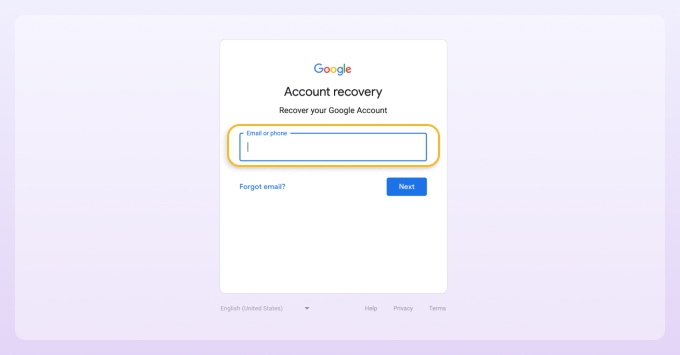
- Head over to the Google Account Recovery page and enter the email address of the profile you're trying to recover.
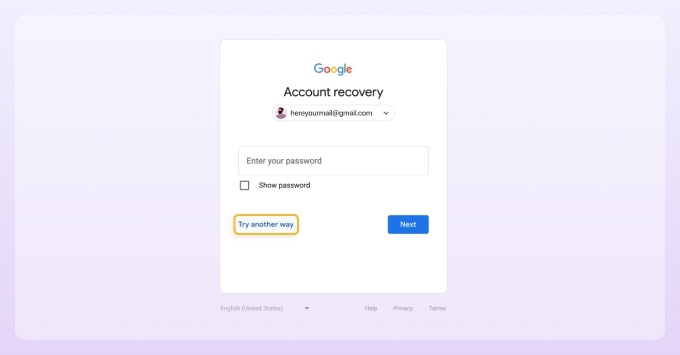
- Click the Try another way link when asked to enter your password.
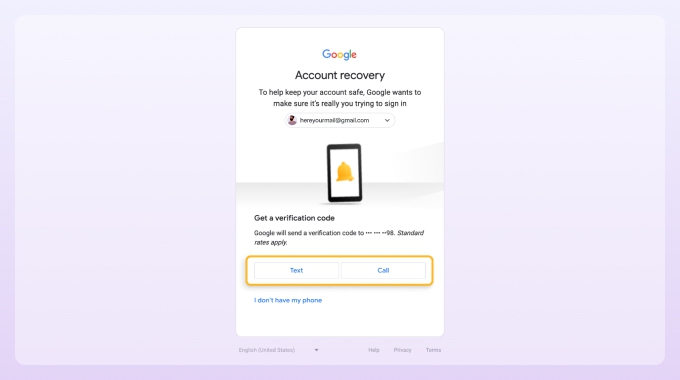
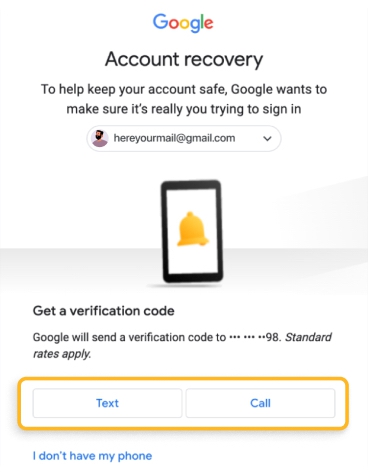
- Assuming your Gmail is linked to your phone number, you can receive a verification code via text or call. Enter this code on the recovery page to verify it’s you.
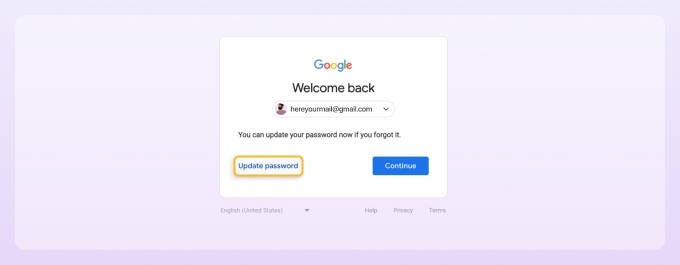
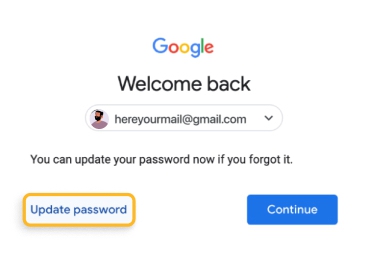
- Once your identity is confirmed, Google will prompt you to update your password or create a new one. Make sure it's strong and unique, and something you haven't used with this account before.
📌 Tip: Whenever you reset your Gmail password, we recommend you save it in a secure password manager so that you don't forget it again in the future.
Recover Gmail Account Without Phone Number
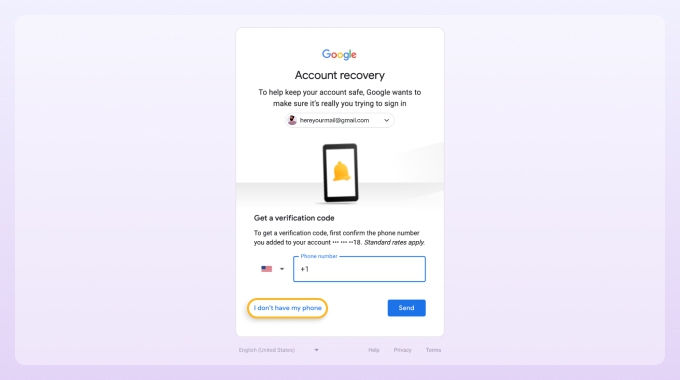
If you're trying to recover your Gmail account but don't have access to your phone number, there are other ways to verify identity and get back into your inbox and profile:
- Go to Google Account Recovery. Enter your email address.
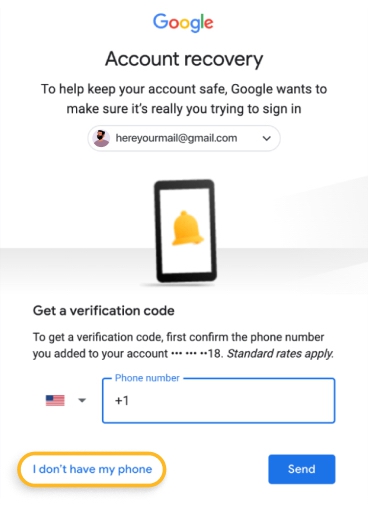
- Click the Try another way link when asked to enter your password.
- If Google asks for a code sent to a phone you can't access, select Try another way again to see the other options available for your account.
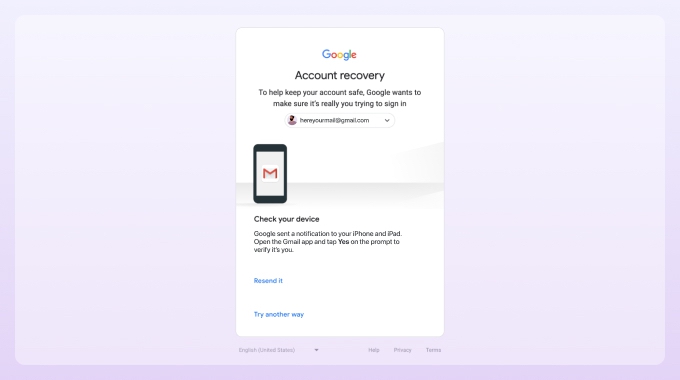
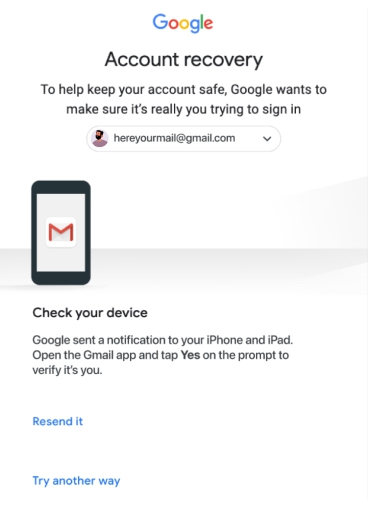
- Depending on how your account is set up, Google may send a code to your recovery email, ask you to confirm on another device where you're signed in, or let a recovery contact you've added confirm it's you.
- After restoring access, create a strong new password and ensure you remember it.
- Set up a recovery phone or email as soon as you regain access. This will make it easier to recover your profile in the future.
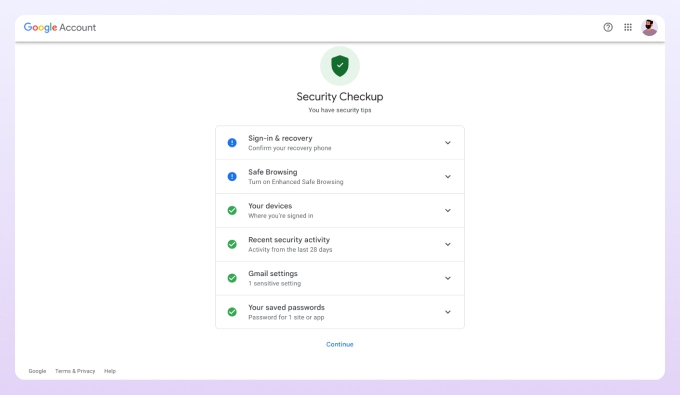
- You may be prompted to take a Security Checkup; go through it to receive personalized security recommendations.
Recover Compromised Gmail Account
If you've received a notification from Google telling you that there's been unusual activity in your account, it's time to act fast to recover and secure your compromised credentials. Here's what to do to unblock your Gmail account:
- Attempt to log into your Google Account. If your password doesn't work, visit the Google Account Recovery page and recover your Gmail password with or without your phone number as explained above.
- Immediately change your password to something strong and unique. Ensure that this new password is not used for any other accounts.
- Add an extra layer of Gmail security by enabling 2-Step Verification. This helps protect your profile even if someone other than you attempts to perform Gmail password recovery.
- Check for any unfamiliar activities on the My Google activity page, such as searches or visited sites you don't recognize, and review Recent security events and Your devices in your Google Account for sign-ins you didn't make. Learn how to recover deleted emails from Gmail if any messages are missing.
- In Gmail settings, check automatic forwarding, filters, delegated access, and POP/IMAP access for changes you didn't make.
- Verify and update your recovery information, including your phone number and recovery email.
Recover Deleted Google Account
Deleting a Google Account also deletes its Gmail inbox. If you deleted your account recently, you may still get it back: go to the Google Account Recovery page, enter the address, and answer the questions to confirm it's yours.
However, you must begin the recovery process as soon as you can. If it's been a while since you deleted your profile, recovery might not be possible. If recovery fails because it's too late, consider creating a new Google Account. Remember to regularly use and update this new account to avoid future issues.
💡 Note: If you're trying to recover an old Gmail account that you haven't used in a while, keep in mind Google's Inactive Account policy: personal Google Accounts that haven't been used for two years may be deleted. The policy doesn't apply to work or school accounts. If your account hasn't been deleted yet, you can still recover access by following the same steps.
Preventing Gmail Account and Password Loss
Losing access to your Gmail can be a major inconvenience. To prevent this from happening, it's essential to adopt some proactive measures:
- Use a password manager: A strong password is inherently easy to forget. That's why you should consider using a password manager to store your passwords. This way, you don't have to memorize every password, yet you can maintain high security for your inbox.
- Set up recovery options: Ensure your recovery email and phone number are always up to date. These are crucial for access recovery if you ever forget your password.
- Enable two-factor authentication: 2-step verification in Gmail adds an extra layer of security to your inbox. Even if someone discovers your password, they won't be able to access your account without the second verification step.
- Secure your devices: Ensure that your devices are protected with up-to-date antivirus software and that you're using secure and updated browsers.
- Be mindful of account inactivity: If you have an old Gmail inbox, log in occasionally to keep it active, considering Google's policy on inactive accounts. A failure to do so could easily force you to change your Gmail address.
- Avoid phishing scams: Phishing scams are a common way hackers gain access to Gmail accounts. Be vigilant about the emails you open and do your best to maintain a clean and organized inbox so that spam is easy to spot.
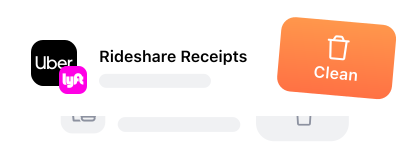
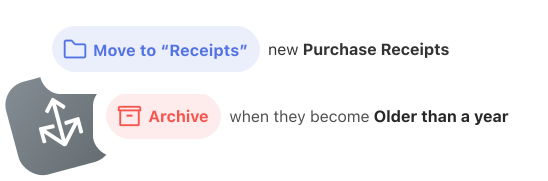
- Use third-party inbox organizers: Tools like Clean Email help in sorting and managing emails, improving organization and security seamlessly.
Improve Your Gmail Experience with Clean Email
Organizing and securing your Gmail account is crucial to prevent the need for recovery. Clean Email offers a suite of tools that can transform how you manage Gmail, making your inbox organized, secure, and efficient.
Stay Alert with Privacy Monitor
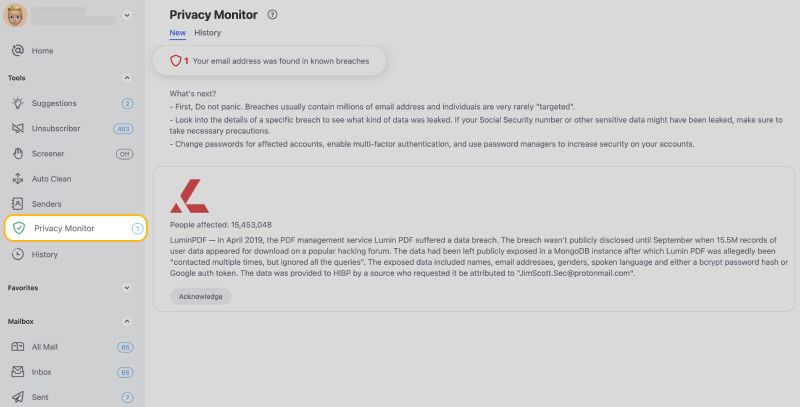
Imagine you're using your Gmail for various sign-ups and subscriptions. Clean Email's Privacy Monitor alerts you about potential data leaks associated with your email address. This feature helps you take immediate action, like changing passwords or enhancing security settings, reducing the risk of unauthorized access to your Gmail.
Control Your Inbox with Screener
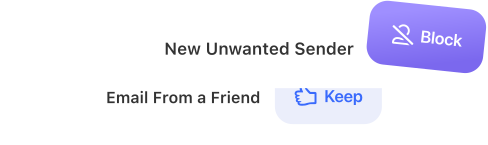
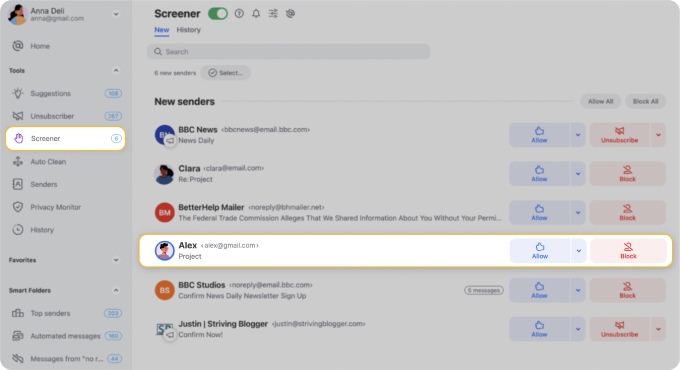
When new senders try to reach your inbox, Clean Email's Screener intercepts these messages. This tool gives you the power to decide who can contact you, effectively reducing clutter and the chance of phishing emails sneaking into your inbox. By keeping spam and potential threats at bay, you reduce the risk of clicking on harmful links that could compromise your account.
Unsubscribe Effortlessly with Unsubscriber
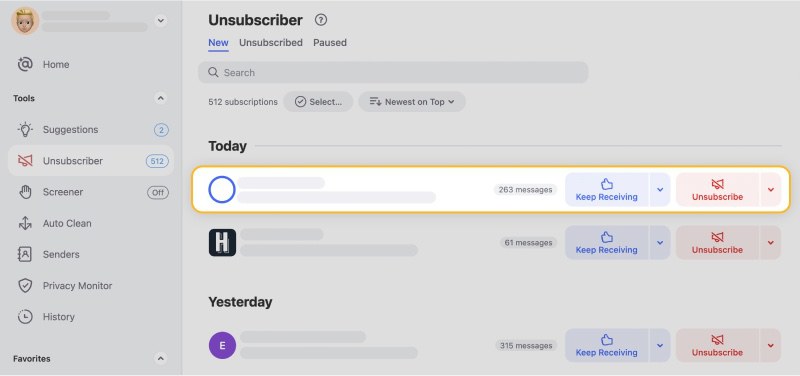
Unwanted newsletters and promotional emails can obscure critical alerts from Gmail about security concerns. The Unsubscriber tool helps you eliminate these distractions so that you don’t miss important notifications about your account’s security.
All these and many other features of Clean Email are available on desktop and mobile alike, allowing you to manage your Gmail efficiently wherever you are.
Conclusion
In conclusion, recovering and securing your Gmail account doesn't have to be a daunting task. By following the step-by-step instructions outlined in this guide, you can effectively navigate various scenarios to regain access to your account. Incorporating Clean Email into your Gmail management routine can significantly enhance your email experience and bolster your email security, reducing the likelihood that you'll ever need to recover your account again.
FAQs
How to recover my Gmail account?
Visit the Google Account Recovery page, enter your email address, and follow the on-screen prompts to verify your identity and regain access.
How to recover Gmail password?
Head to the Recovery page, enter your email, click "Try another way" when prompted for a password, and follow the steps to verify your identity and set a new password.
How to recover old Gmail account?
Use the Google Account Recovery page, enter the email address, and follow the verification process. Note that personal accounts unused for two years may be deleted under Google's Inactive Account policy.
How to recover my Gmail account without phone number?
Go to Google Account Recovery, enter your email, click "Try another way" when asked for a phone verification, and choose another option, such as a code sent to your recovery email, a prompt on another signed-in device, or help from a recovery contact.