How to Check Storage Usage on Mac for Mail
Before you delete mail from Mac, it's important to first check how much space the email app is using to see if it's necessary. Keep in mind this includes messages, attachments, deleted emails, and the Apple Mail Archive folders for your accounts.

How to View the Mail App Storage on Mac
First, you can view the amount of storage the Mail app uses on your Mac in just a few steps.
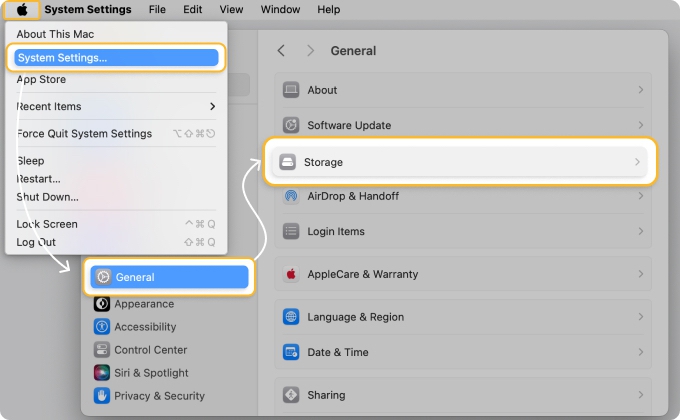
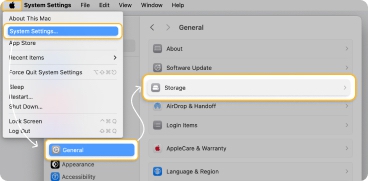
- Open the System Settings with the Apple icon in the menu bar or the icon in your Dock.
- Select General on the left and Storage on the right.
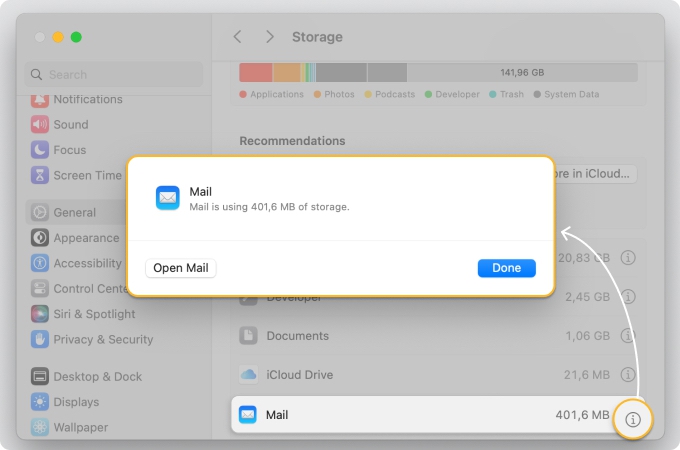
- Scroll down until you see Mail. You’ll see the storage amount used to the right and can click the Info icon for a larger view.
How to View the iCloud Storage for Mail
Next, you can also easily see the amount of iCloud storage used by the Mail app.
- Open the System Settings with the Apple icon in the menu bar or icon in your Dock.
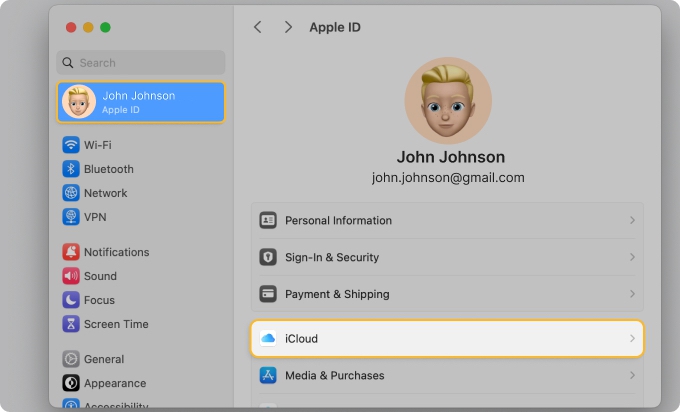
- Select your Apple ID on the left and iCloud on the right.
- Click Manage next to Account Storage at the top.
- Scroll down the Account Storage window until you see Mail. You’ll see the storage amount used directly beneath and can select Mail for a larger view.
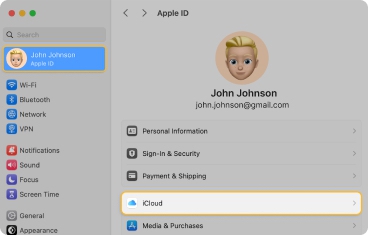
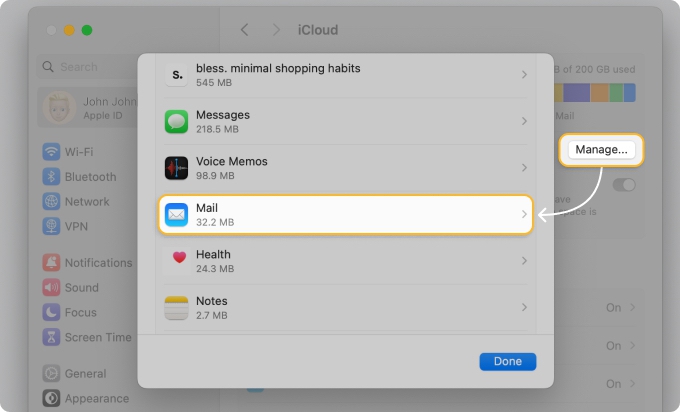
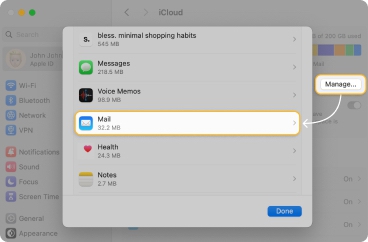
So now you may be wondering, “why is Mail using so much storage on Mac?” From deleted emails to junk messages to email attachments, the app’s storage can fill up quickly.
Let’s look at how to delete Apple Mail storage to free up space on Mac.
Why Mail Still Takes Up Space After You Delete Emails
Here’s the part that confuses most people: you delete a pile of emails, empty the Trash, and the Mail app still shows several gigabytes in Storage. A common example is a mailbox that reads 12 GB in System Settings → Storage when the actual messages account for only a fraction of that. The rest is hiding in places a normal delete never touches:
- The Mail Downloads folder: Every attachment you open or preview is saved as a separate copy on your Mac. These copies stay behind even after you delete the email they came with, so a few months of PDFs, images, and newsletter logos can quietly add up to gigabytes.
- Locally cached messages: Mail keeps a local copy of your emails so you can read them offline, and deleting a message doesn’t always clear its cached copy right away.
- Trash and Junk: Deleted and junk messages aren’t really gone until you erase those folders — until then, they still count toward your storage.
- Re-downloading from the server: If a message still exists on the mail server (IMAP or iCloud), Mail can sync it back to your Mac, so space you cleared can reappear after the next sync.
That’s why freeing up space is really a two-part job: clear what’s already cached on your Mac (Trash, Junk, and the Mail Downloads folder), then reduce what syncs back down by trimming old, large, and attachment-heavy emails at the source. The steps below cover both.
How to Clear Mail Storage on Mac
You can empty the Trash, erase Junk, and remove attachments to delete Mac Mail storage. We’ll walk you through these methods as well as how to adjust the attachment settings to keep your storage manageable.
You’ll also learn how Clean Email can help you do all of this and more, with less manual work.
How to Empty Trash in Mail on Mac
One of the easiest ways to clear email storage on Mac is by emptying the Trash. This is the folder that holds your recently deleted emails which can consume plenty of space. While you’re at it, you can delete the messages in the Junk folder too.
📌 Tip: Before you empty the Trash folder, look at how to delete multiple emails on Mac and how to delete all iCloud emails so you don’t have to clear out the Trash twice.
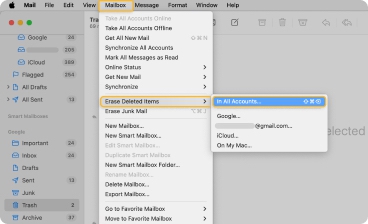
- To empty the Trash, open the Mail app and select Mailbox → Erase Deleted Items.
- You can then choose In All Accounts or a specific account.
- Pick Erase to confirm and note that this permanently removes those messages.
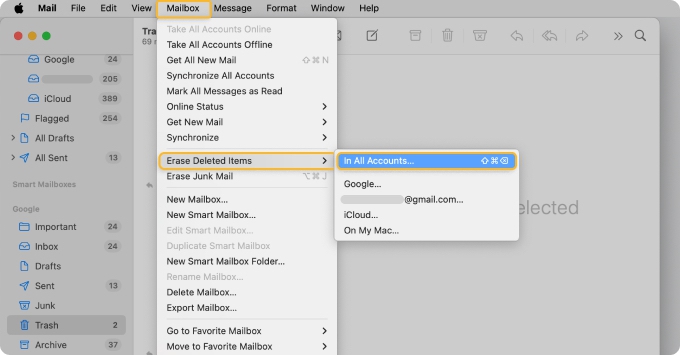
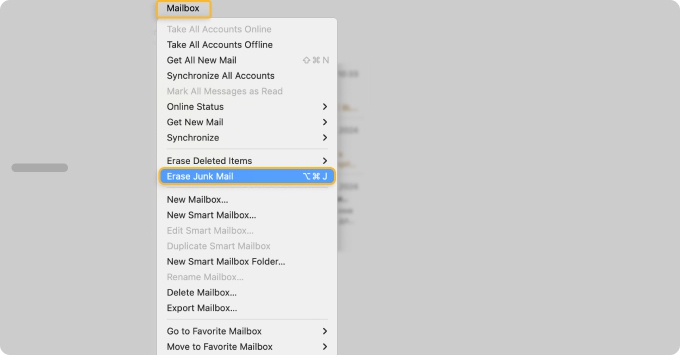
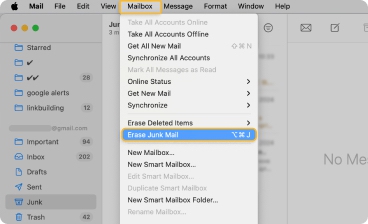
To delete items in the Junk folder, select Mailbox → Erase Junk Mail and confirm. Again, this removes those messages for good, so be sure you’re ready to delete them before clicking Erase.
How to Keep Mail Storage From Filling Up Again with Clean Email
Everything above is a one-time cleanup. The role of Clean Email is different: it automates inbox cleaning so the storage problem doesn’t come back. Instead of digging through old emails and attachments every few months, you set it up once and it keeps your mailbox — and the space it takes on your Mac — under control on its own.
💡 What you’re signing up for: Clean Email is an ongoing email cleaning and automation tool for your mailbox (your email account) — not a one-time Mac disk cleaner. It removes and auto-cleans old, large, and unwanted emails at the source, so less syncs down and caches on your Mac. Use it alongside the native steps above, not in place of them.
Here’s how it works, using Cleaning Suggestions, Auto Clean, and Smart Folders.
Cleaning Suggestions
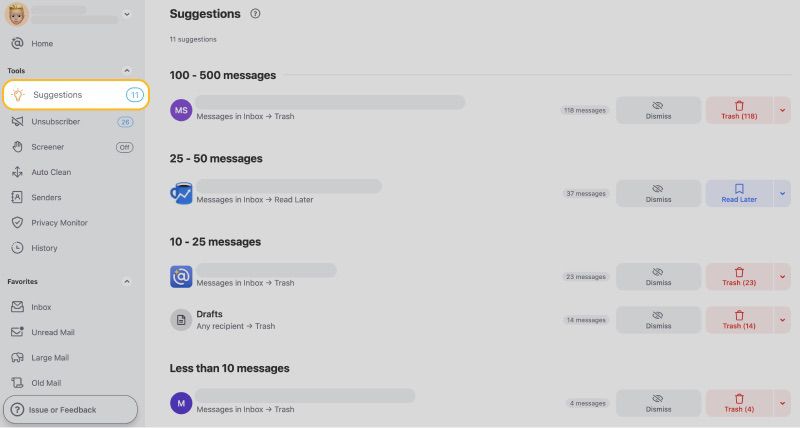
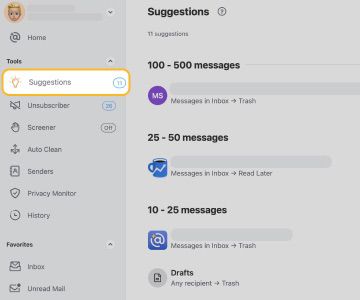
Clean Email provides you with recommendations for sending messages to the Trash, Archive, or marking them as Spam. What’s nice about these suggestions is that you can take action on multiple emails at once.
Select Suggestions in the left-hand menu and then perform a recommended action on a group of emails.
Auto Clean
With Auto Clean, you can set up rules to automatically clean up your mailbox rather than taking the time to do it manually.
- Select Auto Clean in the left-hand menu and then Create Rule or the plus sign on the right.
- Add the conditions for the messages such as from a certain sender, domain, within a timeframe, or large mail.
- Choose an action for the messages that meet those conditions like Trash, Archive, or Delete.
- Optionally turn on Apply to existing messages and click Create Rule.
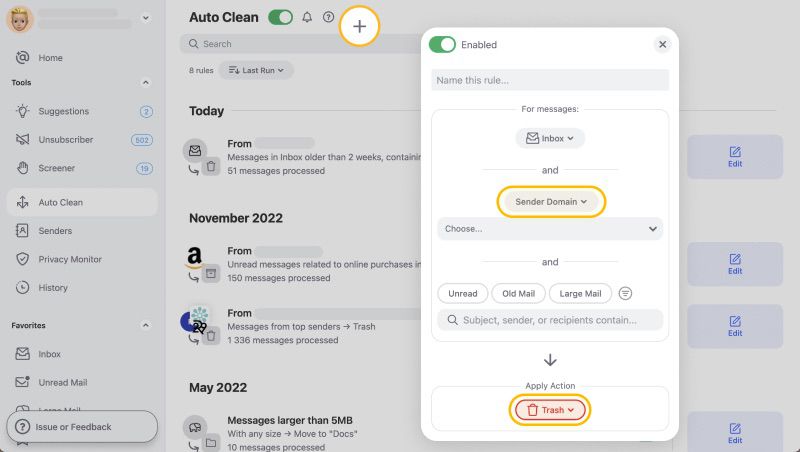
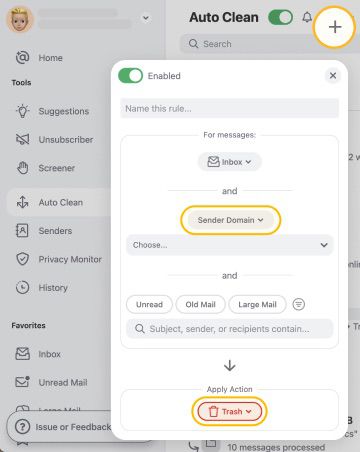
Then, sit back and let Auto Clean keep your mailbox tidy and your storage under control.
Smart Folders
Clean Email uses 33 pre-made filters to automatically sort emails into Smart Folders. For instance, you can see all travel, food delivery, and online shopping emails in their same-named folders. You can then do a sweep of the folder to remove messages in bulk.
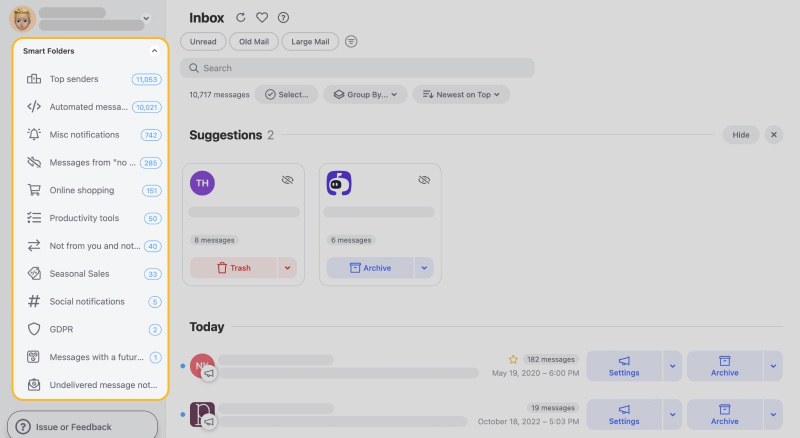
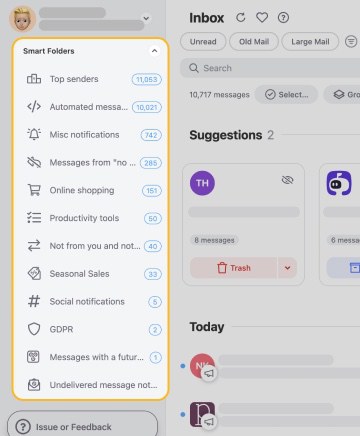
Expand Smart Folders in the left-hand menu and select a folder.
- To delete an email group, choose Trash on the right.
- To delete multiple email groups, choose Select at the top and then mark the message bundles, or pick Select All. Then, click Trash at the bottom.
Privacy and Security: Clean Email is committed to your privacy and security, doesn’t keep, sell, or analyze your data, and never downloads full emails or attachments. Your data is only used for the features.
For a complete email management package on your Mac, iPhone, and iPad, check out Clean Email for free. You can explore and enjoy all premium features on your devices during the trial period.
How to Delete Mail Attachments on Mac
You can delete email attachments you receive for individual messages in Mail or using Finder on your Mac.
In Mail
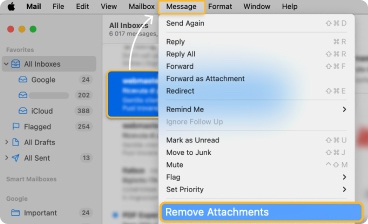
For an individual email, select Message → Remove Attachments in the menu bar. For IMAP accounts, be sure to save the attachment first because it cannot be retrieved.
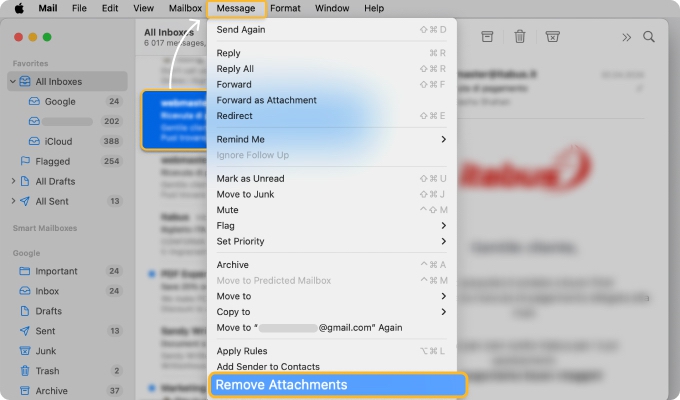
💡 Note: If you delete an email, this also deletes the attachment.
In Finder
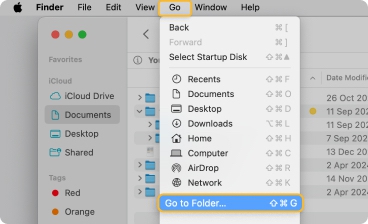
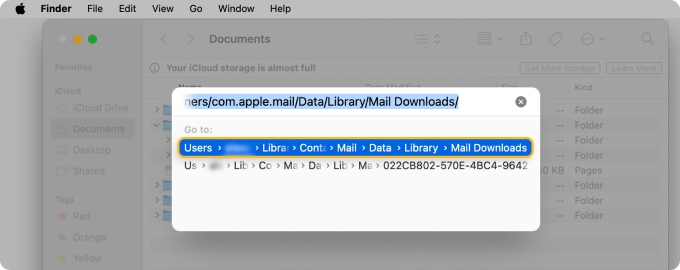
This is where the biggest savings usually hide. The Mail Downloads folder keeps a separate copy of every attachment you’ve opened, and emptying it is often what reclaims those “missing” gigabytes. These are only cached copies — the original attachments still live in the emails on your server, so it’s safe to remove them here.
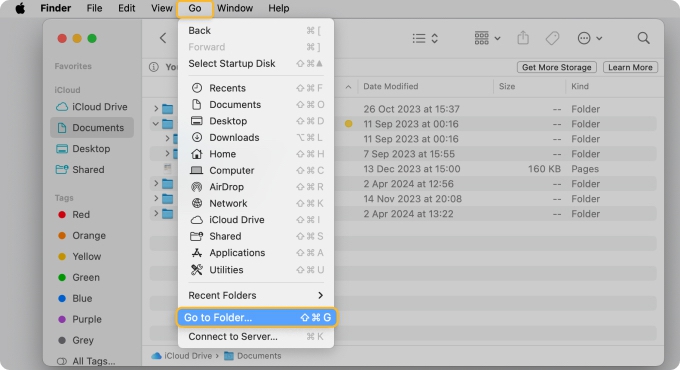
- With Finder active, select Go → Go to Folder.
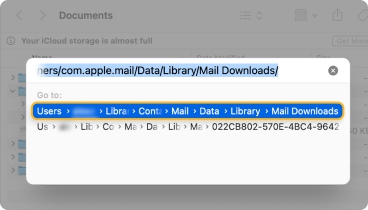
- Enter the following path into the pop-up window and press Return:
~/Library/Containers/com.apple.mail/Data/Library/Mail Downloads/ - You’ll see the Mail Downloads folder open with subfolders containing email attachments you can review.
- To remove those you no longer need, drag them to the Trash or right-click and choose Move to Trash.
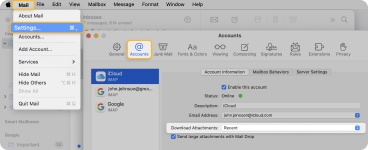
How to Change the Mail Attachment Settings
When you receive a message with a media item like a PDF file, video, or image, that file automatically downloads to your Mac. But you can adjust the settings for downloading other types of email attachments like ZIP files, spreadsheets, or text files.
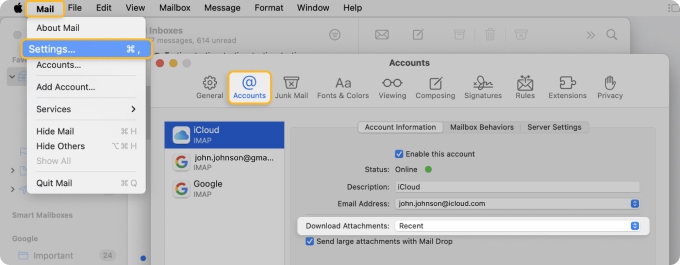
Setting this to None or Recent is the best way to stop the Mail Downloads folder from filling back up, so the space you just cleared doesn’t slowly return.
- Open the Mail app and select Mail → Settings in the menu bar.
- Go to the Accounts tab.
- Choose an account on the left and use the Download Attachments drop-down box to pick an option:
- All: Always download these types of attachments.
- None: Never download these types of attachments.
- Recent: Download these types of attachments received in the last 15 months.
- Repeat these steps for your other connected email accounts.
Warning: Deleting the Mail App on Mac
You may be tempted to uninstall the Mail app to remove mail storage from Mac, especially if it consumes too much storage space and you plan to use a different email service anyway.
Not only is it challenging to delete the Mail app on macOS, but it is not recommended!
Removing the app from your Mac does not delete the data associated with it. For example, items such as attachments are stored separately and can be found using Finder as explained above. Plus, you cannot easily restore the app; you’ll need to reinstall macOS to use Apple Mail again.
Instead, use the suggestions listed here as well as Clean Email for a supplemental solution to clear and control your email storage.
Wrap-Up
Before your mailbox is full and you struggle to clean it up, see how much storage Mail is consuming and do a bit of maintenance. And keep in mind that if you want the best mail organizer for Mac that can help you with advanced tools and automations, Clean Email is the way to go.
Now that you know how to remove Mail storage from Mac, are you ready to get to work?
FAQs
Do emails take up storage?
Yes, emails take up storage, especially if they contain large attachments. If you get many emails or newsletters, they use more space. Attachments in emails also add to the space used.
Does archiving emails save space?
Archiving emails moves them out of your inbox but DOES NOT save space on your Mac, as they are still stored locally or on the email server.
Why is mail using so much storage on Mac?
Whenever you open an email attachment, your Mac saves a separate copy in the Mail Downloads folder — documents, video files, and even the logo and signature images attached to marketing newsletters. These copies stay behind after you delete the email, and locally cached messages plus a full Trash and Junk folder add to the total. That’s why Mail can show several gigabytes even after you’ve deleted a lot of emails.
How to get rid of mail storage on Mac?
To reduce email storage on a Mac, empty the Trash and Junk folders, delete unnecessary emails and attachments, and clear the Mail Downloads folder in Finder (~/Library/Containers/com.apple.mail/Data/Library/Mail Downloads/), where copies of opened attachments are cached. Setting Download Attachments to None or Recent in Mail’s account settings helps keep that folder from filling back up.
How to uninstall Mail on Mac?
Ideally, Apple doesn't allow you to delete the Mail app. However, you can either use a third-party app to have it uninstalled or do so by disabling the system integrity protection.