Key Takeaways
- Gmail’s spam filter can stop working due to user actions, filters, or settings conflicts
- Marking emails as spam is the fastest way to retrain the system
- Custom filters can override Gmail’s default spam detection
- A sudden increase in spam is often caused by data exposure, sign-ups, or wider email sharing
- If spam spikes suddenly and dramatically, it may be a spam attack (different issue)
Why Is My Gmail Spam Filter Not Working?
You may be dealing with a spam filtering problem if:
- obvious spam keeps landing in your inbox
- the same sender gets through repeatedly
- messages you expected Gmail to catch are arriving normally
- trusted emails are suddenly going missing or landing in Spam
- the problem began after changing filters or settings
If you are only receiving promotions, newsletters, or email you signed up for, the issue may not be the spam filter at all.
How to Fix Gmail Not Filtering Spam
If Gmail isn’t filtering spam correctly, the goal is to retrain the system and remove any conflicting rules.
1. Retrain Gmail’s Spam Filter Consistently
Sometimes you may notice Gmail not filtering spam messages even though they seem like obvious phishing or malicious emails. If that’s the case, manually reporting them is the fastest fix.
To flag Gmail messages as spam:
- Open your Gmail inbox
- Select the message
- Click Report spam
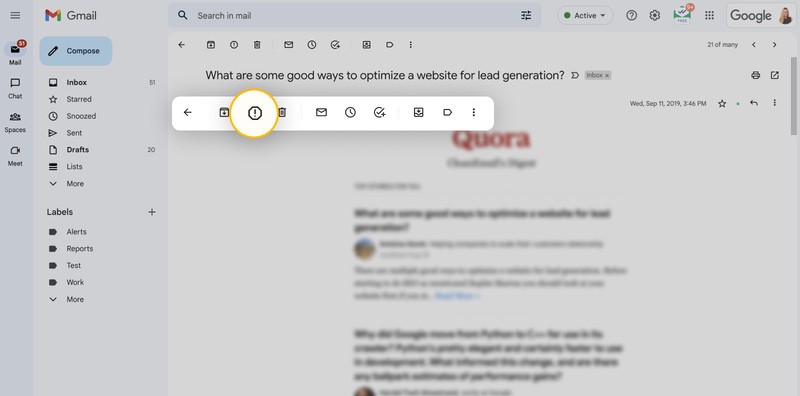
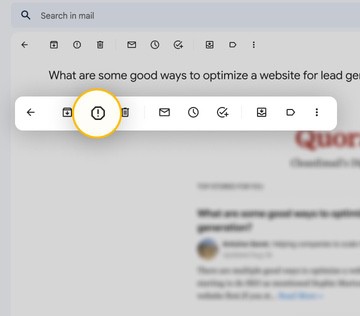
This sends feedback to Gmail and helps improve filtering for future emails. Keep reporting spam in Gmail consistently for several days, as it may take time for Gmail to adjust.
2. Review Filters and “Never Send to Spam” Rules
Although Gmail’s spam filter works well, it can be affected by your own settings.
Go to Settings → See All Settings → Filters and Blocked Addresses and review any rules that may:
- skip the inbox
- archive messages
- apply labels automatically
- include Never send it to Spam
If you find outdated or overly broad rules, remove or edit them. These settings can make it seem like Gmail’s spam filter is not working when messages are actually being redirected or treated as safe.
3. Check If Emails Are Going to Another Folder
In some cases, emails are not reaching your inbox or Spam because they are being routed elsewhere.
Check:
- Labels or folders you’ve created
- Archive rules
- Category tabs (Promotions, Updates)
👉 This often makes it look like Gmail is “missing” spam when it’s actually being rerouted.
4. Try Another Browser or Disable Extensions
Sometimes the issue isn’t Gmail itself.
Try:
- Opening Gmail in another browser
- Using incognito mode
- Disabling browser extensions
Some extensions can interfere with how Gmail displays or processes messages.
5. Check If Gmail Is Experiencing an Issue
Sometimes the problem isn’t your settings at all.
Gmail’s spam filtering can temporarily degrade due to system updates or outages.
To check:
- Visit the Google Workspace Status Dashboard
- Look for issues related to Gmail
👉 If everything suddenly stopped working without changes on your side, this is often the cause.
When It’s Not a Filter Problem
Not every unwanted email means Gmail’s spam filter is failing.
This may not be a filter issue if:
- you signed up for many mailing lists
- messages are being routed to Promotions or other categories
- senders keep changing addresses
- the inbox is filled with old marketing emails rather than true spam
In those cases, the fix is not just “repair the spam filter.” You may need to unsubscribe, block senders, or clean up inbox clutter separately.
⚠️ If the volume of emails suddenly becomes extreme (hundreds in minutes), that’s usually not a filter issue — it may be a spam attack. This type of attack is often used to hide important emails, such as password reset notifications, purchase confirmations, or security alerts. In that case, fixing your spam filter won’t help — you’ll need to focus on stopping the attack and securing your accounts.
Prevent Spam Entirely With Clean Email
Sometimes, even after applying all fixes, spam still gets through - especially from new or constantly changing senders.
In those cases, it helps to add another layer of control on top of Gmail’s filtering.
Clean Email offers the Screener tool, which lets you review emails from unknown senders before they reach your inbox. This makes it easier to block suspicious senders early and reduce repeated spam without relying only on Gmail’s automatic detection.
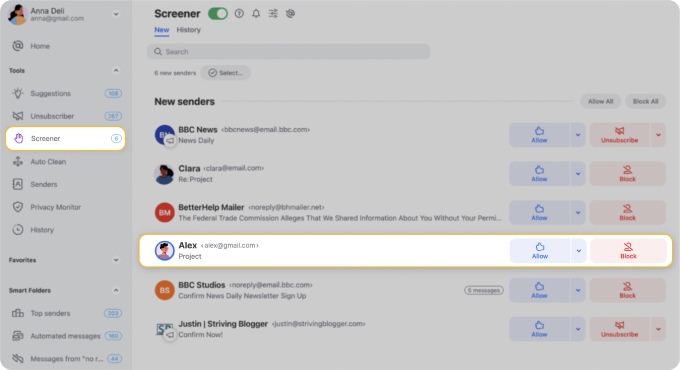
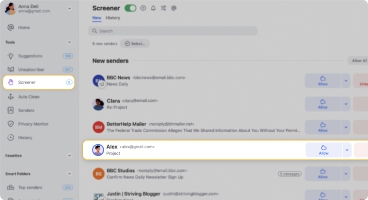
Because it works alongside Gmail, it doesn’t replace the spam filter - it helps you manage the messages that still slip through.
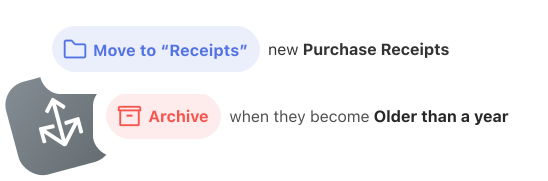
Also, the Auto Clean feature in Clean Email is much more intuitive and customizable than Gmail’s filters. It uses “if-then” triggering, and gives you options to perform tasks like auto-delete, archive, mark as read/unread, star/unstar, move to folder, and more.
Besides, you can pause the rules anytime without the need to delete them and create new ones from scratch if you plan to resume these rules in the future.
Conclusion
Gmail’s spam filter is powerful, but it depends heavily on user input and correct settings. If it seems like it’s not working, the issue is usually caused by filters, accidental actions, or changes in email patterns.
By reporting spam consistently and reviewing your filters, you can restore its accuracy and keep your inbox under control.
If the problem escalates into a sudden flood of emails, treat it as a separate issue and focus on security first.
Learn more about What Actually Stops Spam in 2026.